


Mataram (ANTARA) – The National SDGs Secretariat at the Ministry of National Development Planning/Bappenas underscored the importance of cross-sector collaboration to combine environmental conservation with sustainable tourism at Mount Rinjani National Park.
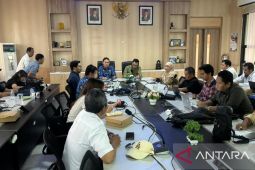
During a working visit to the Mount Rinjani National Park Office in West Nusa Tenggara on Wednesday, National SDGs Secretariat Head Pungkas Bahjuri said the visit aimed to assess how conservation can coexist with community livelihood development through ecotourism.
“Mount Rinjani National Park is a living example of how we can achieve the Sustainable Development Goals (SDGs), particularly SDG 15, which focuses on protecting life on land,” Bahjuri said.
Park data from 2025 shows Mount Rinjani welcomed 80,214 hikers, with foreign tourists accounting for 54 percent of total visitors, or 43,236 people.
“This shows that a destination’s popularity can actually threaten its own sustainability if it is not managed properly. At the same time, ecotourism that actively involves local communities can create livelihoods for residents while also helping protect and monitor the area,” Bahjuri said.
He noted that heavy visitor traffic poses severe waste management challenges, with hiking activities generating 30,359.52 kilograms of waste annually, averaging 0.38 kilograms per hiker.
“Rinjani’s conservation efforts are closely tied to our goals for protecting terrestrial and mountain ecosystems, promoting sustainable tourism, and reducing waste,” he said.
Mount Rinjani National Park Office Head Budhy Kurniawan voiced strong support for the conservation and ecotourism initiatives spearheaded by Bappenas.
“At Rinjani, we have already put several environmentally friendly measures in place, including waste sorting and management. These efforts help strengthen the ecosystem while also generating economic benefits for local communities,” Kurniawan said.
He added that park authorities continue to collaborate with local community leaders to guide regional tourism toward long-term sustainability.
“Rinjani has deep cosmological significance and holds cultural, historical, and ecological value. We have a five-year vision for forest management, with the goal of developing a smart tourism ecosystem,” Kurniawan said.
Related news: Rinjani reopens climbing activities on limited basis
Related news: Beyond Mount Rinjani: Discover the hidden charm of Sembalun
Translator: Azhfar Muhammad, Katriana
Editor: Arie Novarina
Copyright © ANTARA 2026