


Jakarta (ANTARA) – Indonesia’s Ministry of Defense has prepared eight acceleration steps to fast-track the development of unmanned aerial vehicle (UAV) or drone in the defense sector.
The steps are intended to prepare Indonesia, both technologically and operationally, to keep up with advances in drone technology.
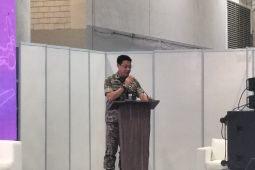
“The first step is to formulate a mission-based roadmap that begins with defense requirements and operational scenarios,” the Ministry’s Head of the Defense Technology Agency, Rear Admiral Arif Harnanto, conveyed here on Wednesday.
Related news: Makkah defense pact signals shift in regional security: analyst
Harnanto said adopting a mission-based approach is essential to ensure that Indonesia receives drone technology specifically designed to meet its operational requirements.
Meanwhile, the second step involved the government in establishing robust interoperability standards to enable synchronised communication systems and data utilisation.
This ensures all military branches operate under a unified command structure when utilising data obtained from drone technology.
Related news: Veterans’ Day commemorated as govt vows to improve wellbeing
The third step, Harnanto outlined the need for training and technology development facilities to enhance drone capabilities. After the necessary facilities are established, the process can advance to the fourth step, focusing on the phased development of drone technology.
“The fifth step is the need to build a national data and AI ecosystem,” Harnanto remarked.
Following that, he said the government must undertake the sixth step by strengthening the supply chain for drone-related technical requirements.
Strengthening the supply chain presents an opportunity for the domestic defense industry to play a role in developing drone technology for the Indonesian military.
Related news: Strengthening air defense: Indonesia boosts fleet and pilot quality
Furthermore, drone operators must also strengthen their defenses against foreign drone threats by developing Counter-Unmanned Aircraft System (C-UAS) capabilities in parallel.
However, Harnanto emphasised amid the measures, the government would not overlook the most crucial factor in improving the quality of Indonesia’s drones by strengthening human resource capacity.
He addressed advancements in drone technology must be in line with improving the quality of the personnel involved, from operators to assemblers.
Harnanto believes by following the eight agenda items will help the Indonesian Defense Forces (TNI) maximise the use of drone technology in strengthening Indonesia’s defense capabilities.
Related news: Giuseppe Garibaldi: a new chapter in Indonesia’s maritime defense
Translator: Walda Marison, Resinta Sulistiyandari
Editor: Fransiska Ninditya
Copyright © ANTARA 2026