


Major polluters must not be let off the hook,
Yogyakarta (ANTARA) – Environment Minister Jumhur Hidayat has urged the government, businesses, and the public to pursue an ecological transition through three key steps: acknowledging past mistakes, ending destructive practices, and restoring damaged ecosystems.
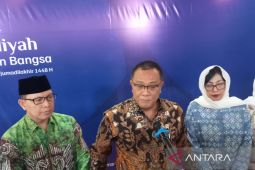
“An ecological conversion is not merely an expression of regret. It requires the courage to change how we live, do business, and make decisions,” Jumhur said after a discussion on ecological conversion with the Central Board of Muhammadiyah in Yogyakarta on Friday.
He said environmental degradation was closely linked to people’s daily lives, as air and water pollution, unmanaged waste, and ecosystem damage directly affected public health, livelihoods, and overall quality of life.
“We cannot continue to reap the benefits of nature while shifting the cost of its destruction onto the public. Nor should we enjoy present-day profits at the expense of future generations’ right to a healthy environment,” he said.
Jumhur emphasized that ecological conversion must also begin within the government through policy reviews, stronger oversight, prompt responses to public complaints, and firm enforcement of environmental laws.
Environmental approvals, he added, should not be treated as mere administrative formalities. Commitments to environmental management and monitoring must be actively enforced and audited.
“It is not enough for the government to simply ask the public to change. The government itself must improve governance, be more receptive to public grievances, and take firmer action against violations,” he said.
For businesses, ecological conversion means integrating environmental responsibility into their core operations. Waste management, emissions control, resource efficiency, and ecosystem restoration must become standard business practices rather than ceremonial gestures.
The public, meanwhile, can contribute by reducing the use of single-use products, sorting waste, avoiding open burning, conserving water, and keeping their surroundings clean. However, Jumhur stressed that changes in public behavior must be supported by adequate infrastructure and services.
“We cannot ask people to sort their waste if collection and processing services are unavailable. Every party’s responsibility must be proportional to the impact they create. Major polluters must not be let off the hook,” he said.
He added that the success of ecological conversion should be measured by tangible improvements in people’s lives, including reduced pollution, better waste management, restored ecosystems, and healthier living environments.
Related news: Prabowo calls forest fires “environmental terrorism”, orders probe
Translator: Hery Sidik, Raka Adji
Editor: M Razi Rahman
Copyright © ANTARA 2026